

Alkaline Water vs Regular Water: What Actually Matters for Daily Hydration
Walk into any grocery store and you'll see the options: regular water, electrolyte water, ionized water. But what actually matters for daily hydration? Here's the honest breakdown.
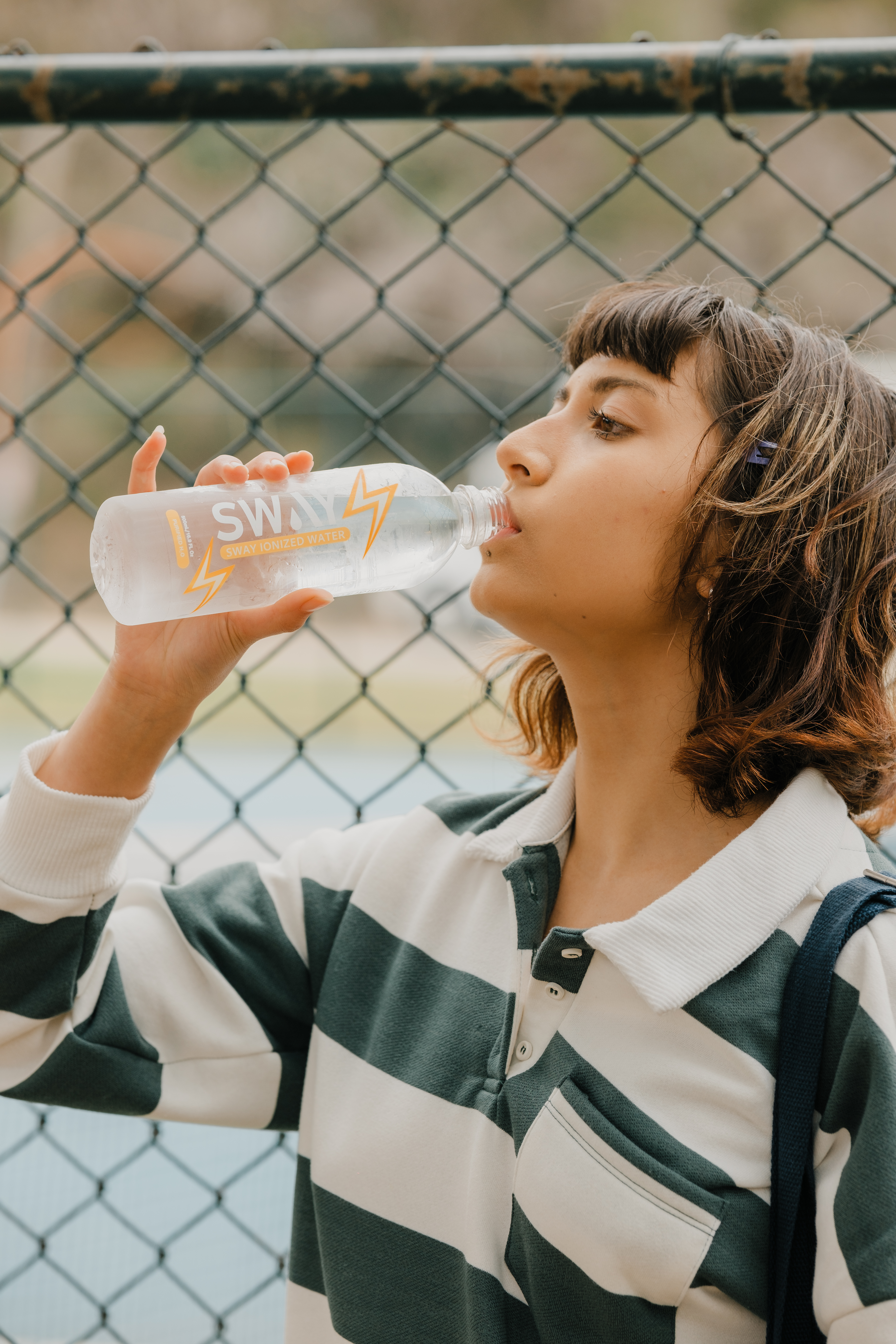
Walk into any grocery store in the USA, and you'll see it: regular bottled water, electrolyte water, ionized water drink options, and premium alkaline water bottles promising better hydration.
Brands like Sway h2O are positioning hydration differently, not just as water, but as performance-focused daily fuel.
So what actually matters? Is alkaline water better than regular water? Does water pH matter? Or is it all branding?
Let's break this down clearly, using science, real hydration principles, and what actually affects how you feel day to day. Because at the end of the day, hydration is not about hype. It's about performance.
First: What Is Regular Water?
Regular drinking water usually has a neutral pH of about 7. It can come from municipal sources, spring water, or purified bottled water. Most standard bottled water focuses on:
- Purity
- Safety
- Basic hydration
And that's important. Hydration is essential for:
- Temperature regulation
- Cognitive performance
- Muscle function
- Nutrient transport
According to the U.S. National Academies of Sciences, adequate daily fluid intake is roughly 3.7 liters for men and 2.7 liters for women from all beverages and foods combined. Most people fall short of that.
So yes, regular water works. But hydration isn't only about volume. It's also about absorption, mineral balance, and how consistently you drink it.
What Is Alkaline Water?
Alkaline water typically has a pH above 7, often between 8 and 9.5. Some types are naturally alkaline due to mineral content. Others are purified and then enhanced with minerals and adjusted to a higher pH.
Ionized performance water, such as SWAY H2O, falls into this second category: purified water enhanced with minerals and positioned as a functional hydration drink.
This is where the conversation shifts from "water" to "hydration experience." Because the difference is not just pH. It's mineral composition and positioning.
Does Water pH Actually Matter?
This is one of the most-searched education keywords: "Does water pH matter?" Here's the honest answer.
Your body tightly regulates blood pH within a very narrow range (about 7.35–7.45). Drinking alkaline water does not significantly change your blood pH. That's controlled by your lungs and kidneys.
Research reviews, including those published in journals such as the Journal of the International Society of Sports Nutrition, suggest that alkaline water may have small benefits in certain athletic conditions, but the effects are modest and not universal.
If someone claims alkaline water "changes your body's pH dramatically," that's not supported by strong evidence. However, that doesn't mean all enhanced water is meaningless.
The Role of Minerals and Electrolytes
This is where things get more practical. Electrolytes like sodium, potassium, and magnesium help regulate fluid balance. They support nerve signals and muscle contractions.
When you sweat during workouts, you lose electrolytes. Plain water replaces fluid volume, but not necessarily mineral content. That's why electrolyte water vs sports drinks is such a common comparison.
Sports drinks often contain added sugar. Many hydration drinks, now without sugar, focus on mineral-enhanced water instead.
Studies show that electrolyte-containing beverages can improve fluid retention compared with plain water after exercise. For athletes and active people, this can matter.
So when people ask — what hydrates better than water, best hydration for workouts, or how to hydrate faster — the answer often includes electrolyte balance, not just water quantity.
Hydration and Energy: A Missing Link
Another growing search area is natural energy without caffeine. Mild dehydration can impair mood, memory, and focus. Even a 1–2 percent loss in body water can reduce cognitive performance, according to research in Nutrition Reviews.
People often reach for energy drinks when they're actually dehydrated. A performance water positioned as a natural energy drink alternative is really about supporting:
- Consistent hydration
- No sugar
- No caffeine spikes
- Better daily hydration routine
That's a different category than traditional bottled water.
Alkaline Water vs Regular Water: What Actually Matters
Let's simplify the comparison.
| Factor | Regular Water | Alkaline / Performance Water |
|---|---|---|
| pH | Around 7 | Usually 8–9+ |
| Electrolytes | Minimal unless added | Often mineral-enhanced |
| Hydration | Effective | Effective, sometimes improved retention with electrolytes |
| Energy | Indirect (hydration dependent) | Marketed for performance & focus |
| Taste | Neutral | Slightly smoother due to minerals |
| Positioning | Basic hydration | Functional water drink |
So what actually matters?
- Are you drinking enough water daily?
- Are you replacing electrolytes if you sweat heavily?
- Are you choosing hydration over sugar-heavy alternatives?
The pH alone is not the magic factor. Minerals, consistency, and routine are.
Who Should Care Most About the Difference?
Alkaline water vs regular water becomes more relevant for:
- Athletes
- People training frequently
- Entrepreneurs working long hours
- Anyone focused on performance routines
- People trying to replace energy drinks
If you live a sedentary lifestyle and drink enough fluids, regular water is fine.
If you are building a daily hydration routine as part of a high-performance lifestyle, mineral-enhanced premium bottled water may better support it.
The Psychology of Premium Hydration
In beverage branding, most success doesn't come from radical formulation changes. It comes from positioning. Consumers don't just buy water.
They buy:
- Identity
- Routine
- Signaling
- Simplicity
A premium bottled water marketed as ionized performance water is competing less with tap water and more with energy drinks, sugary sports beverages, and functional wellness drinks.
When someone chooses a performance water drink, they're often choosing a signal: "I take hydration seriously." Behavior change often starts with identity.
Is Alkaline Water Good for You?
Current research suggests alkaline water is generally safe for healthy individuals. Strong claims about disease prevention are not well supported by high-quality evidence.
But hydration itself is clearly beneficial. If alkaline water encourages someone to:
- Drink more consistently
- Replace sugary drinks
- Support workout recovery
- Build a structured daily hydration routine
Then the indirect benefits may be significant. Sometimes what matters most is adherence.
So, What Should You Choose?
Here's a practical framework.
Choose regular water if:
- You just need basic hydration.
- You're not sweating heavily.
- You want the simplest option.
Choose alkaline or mineral-enhanced performance water if:
- You train regularly.
- You want hydration without sugar.
- You are replacing energy drinks.
- You value a premium, intentional routine.
Hydration for workouts and daily hydration routine habits are not about extremes. They're about consistency.
The Bottom Line on Alkaline Water vs Regular Water
The debate often focuses too much on pH. What actually matters is:
- Total daily fluid intake
- Electrolyte balance when needed
- Replacing sugar-heavy drinks
- Supporting focus and energy naturally
Hydration is foundational. Performance starts there. And the best hydration drink is the one you'll actually drink consistently.
If you're thinking beyond "just water" and looking at performance hydration drinks for focus and energy, explore what mineral-enhanced ionized water can add to your routine. SWAY H2O is designed as a premium bottled water positioned for modern daily performance. Purified, mineral-enhanced, and built around hydration without sugar or caffeine.